
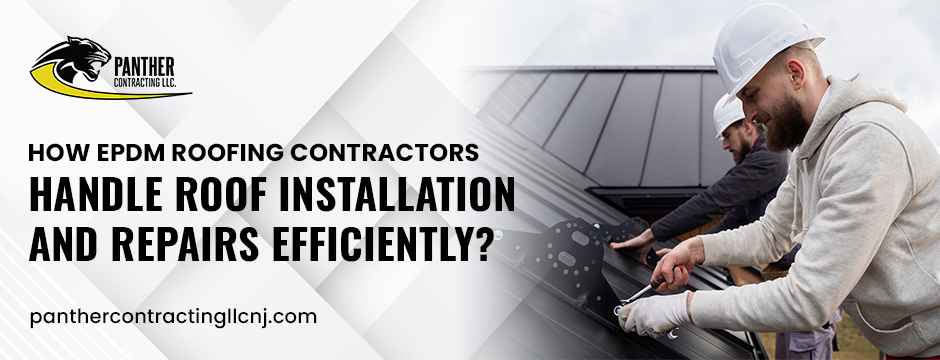
EPDM (Ethylene Propylene Diene Monomer) roofing has become one of the most trusted solutions for flat and low-slope roofs due to its durability, flexibility, and cost-effectiveness. Property owners choose EPDM because it can withstand harsh weather conditions, UV exposure, and temperature fluctuations while providing long-lasting protection. However, achieving the full lifespan and performance of an EPDM roof depends heavily on proper installation and timely repairs.
Professional EPDM roofing contractors use proven techniques, specialized tools, and efficient project management strategies to ensure every installation and repair is completed with precision. Understanding how these experts work can help property owners appreciate the value of hiring experienced roofing professionals for their roofing needs. EPDM installation requires careful surface preparation, proper seam sealing, and routine maintenance to maximize longevity and prevent leaks.
Understanding EPDM Roofing Systems
EPDM is a synthetic rubber membrane commonly used on commercial and residential flat roofs. It is known for its exceptional resistance to weathering, moisture, and UV rays. Unlike traditional roofing materials, EPDM remains flexible even during extreme temperature changes, reducing the risk of cracking and splitting over time. Many EPDM systems can provide decades of reliable service when properly installed and maintained.
Professional contractors understand the unique characteristics of EPDM and tailor their installation methods accordingly. They carefully assess the building structure, drainage system, and roof deck condition before beginning any work to ensure optimal performance.
Comprehensive Roof Inspection Before Installation
Efficiency starts long before the first sheet of EPDM membrane is rolled out. Experienced contractors begin every project with a thorough roof inspection.
During this stage, they evaluate:
- Existing roof conditions
- Structural integrity
- Moisture damage
- Drainage effectiveness
- Ventilation systems
- Roof penetrations and flashing areas
By identifying potential issues early, contractors can prevent costly delays and unexpected complications during installation. This proactive approach helps ensure a smooth and efficient project timeline.
Proper Surface Preparation
One of the most critical factors in EPDM roofing installation is surface preparation. Before installing the membrane, contractors ensure the roof deck is clean, dry, and free from debris or sharp objects that could damage the material. Proper deck preparation significantly improves membrane adhesion and long-term performance.
Preparation may include:
Removing Old Roofing Materials
Damaged or deteriorated roofing materials are removed to create a stable foundation. Contractors inspect the underlying deck and replace any compromised sections before proceeding.
Repairing Structural Defects
Any weak areas, rotted wood, or damaged insulation are repaired to ensure a solid substrate for the new roofing system.
Cleaning the Surface
A clean surface allows adhesives and seam materials to bond properly, reducing the likelihood of future failures.
Efficient Membrane Installation Techniques
Professional EPDM roofing contractors follow a systematic installation process designed for speed and accuracy.
Membrane Positioning and Relaxation
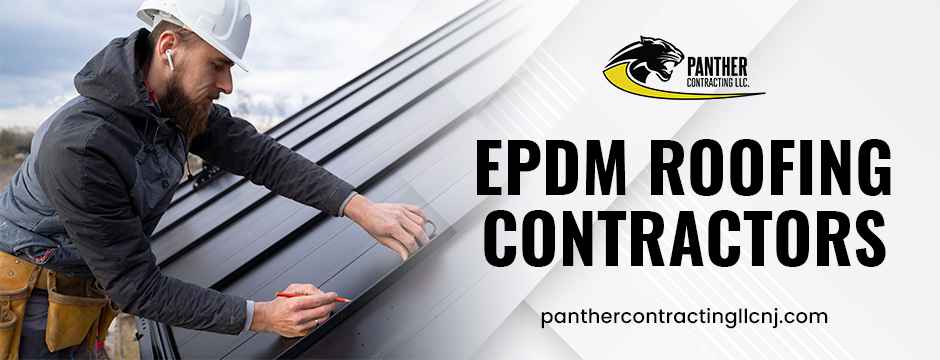
Large EPDM sheets are carefully positioned across the roof and allowed to relax before being secured. This step reduces internal tension and helps prevent wrinkles or shrinkage after installation.
Adhesive Application
Depending on the roofing system design, contractors may use fully adhered, mechanically attached, or ballasted installation methods. Adhesives are applied evenly to both the substrate and membrane to ensure maximum bonding strength.
Eliminating Air Pockets
Specialized rollers and brooms are used to remove trapped air and create full contact between the membrane and the roof surface. This process improves durability and minimizes future maintenance requirements.
Precision Seam Sealing
Seams are among the most vulnerable areas of any EPDM roofing system. Improperly sealed seams can lead to water infiltration and premature roof failure.
Professional contractors follow strict procedures to create watertight seams:
- Cleaning seam surfaces thoroughly
- Applying approved primers
- Using seam tapes or adhesives
- Rolling seams for complete adhesion
- Applying lap sealant for additional protection
Proper seam preparation and sealing are essential for long-term roof performance and are considered one of the most important aspects of EPDM installation and repair.
Detailed Flashing Installation
Roof penetrations such as HVAC units, skylights, vents, and pipes require special attention. Contractors install flashing systems designed specifically for EPDM membranes.
Effective flashing prevents water intrusion around vulnerable areas and enhances the overall waterproofing capability of the roofing system. Contractors carefully seal corners, transitions, and roof edges to create a continuous protective barrier.
Efficient Roof Repair Strategies
Even durable EPDM roofs may require repairs over time due to weather damage, punctures, or aging. Professional contractors use efficient repair methods to restore roof performance while minimizing disruption.
Identifying Damage Quickly
Experienced roofing professionals conduct detailed inspections to provide the Roofing estimate and locate:
- Membrane punctures
- Seam separation
- Flashing deterioration
- Ponding water issues
- Shrinkage-related stress points
Early detection helps prevent minor problems from developing into major structural concerns.
Surface Preparation for Repairs
Just as with installation, repair success depends on proper preparation. Contractors thoroughly clean the damaged area before applying repair materials. Industry guidance emphasizes that surface preparation is one of the most important factors influencing repair longevity.
Professional Patching Techniques
Small punctures and tears are repaired using EPDM-compatible patch materials and adhesives. Contractors ensure patches extend beyond the damaged area to create a secure seal.
When seam failures occur, professionals may reopen affected sections, remove contaminants, and reinstall seam systems according to manufacturer specifications.
Addressing Drainage Problems
Standing water can accelerate membrane wear and place additional stress on seams and flashing. Professional contractors evaluate drainage systems during both installation and repair projects.
Common solutions include:
- Clearing clogged drains
- Adjusting roof slopes
- Installing tapered insulation
- Repairing drainage components
Proper drainage management helps extend roof lifespan and reduce maintenance costs.
Preventative Maintenance Programs
Efficient licensed roofing contractor do more than install and repair roofs—they help property owners protect their investment through preventative maintenance.
Routine maintenance typically includes:
Regular Inspections
Scheduled inspections identify developing issues before they become serious problems. Experts often recommend inspections at least twice annually.
Debris Removal
Leaves, dirt, and debris can trap moisture and obstruct drainage systems. Regular cleaning helps maintain roof performance and simplifies inspections.
Seam and Flashing Monitoring
Contractors routinely check seams, flashings, and roof penetrations for signs of wear or separation, allowing timely repairs that prevent leaks.
Use of Specialized Equipment and Skilled Teams
Efficiency in EPDM roofing projects comes from experience and proper equipment. Professional contractors invest in:
- Advanced seam rollers
- Membrane cutters
- Moisture detection tools
- Commercial-grade adhesives
- Safety equipment
Trained crews follow established procedures that reduce installation errors and improve project completion times. Their expertise allows them to handle complex roof configurations while maintaining high-quality workmanship.
Conclusion
EPDM roofing offers exceptional durability and value, but its performance depends largely on professional installation and timely repairs. Skilled EPDM Roofing Contractors maximize efficiency through thorough inspections, meticulous surface preparation, precise seam sealing, proper flashing installation, and proactive maintenance strategies.
Whether you need a new EPDM roof, emergency repairs, or ongoing maintenance, working with experienced professionals ensures long-lasting protection and peace of mind. For reliable roofing solutions, expert craftsmanship, and exceptional customer service, consider Panther Contracting LLC. Our experienced team is committed to delivering high-quality roofing services that help property owners protect their investments and extend the life of their roofing systems.