

Your roof takes the brunt of New Jersey’s changing weather every single season. From heavy snow and ice in winter to intense summer heat, coastal humidity, rainstorms, and strong winds, your roofing system is constantly under pressure. While most homeowners only think about their roof when a leak appears, the truth is that weather damage often builds up slowly over time.
Understanding how different weather conditions affect Residential Roofing New Jersey can help you spot problems early, prevent costly repairs, and extend the life of your roof. Here’s a season-by-season look at how New Jersey weather impacts your roof year-round.
Why New Jersey Weather Is Tough on Residential Roofs
New Jersey homeowners deal with a wide mix of weather conditions throughout the year. Unlike regions with a more stable climate, New Jersey experiences freezing winters, wet springs, humid summers, and storm-heavy falls. These constant shifts in temperature and moisture levels create ongoing stress on roofing materials.
Shingles expand and contract. Flashing loosens. Moisture sneaks into vulnerable areas. Gutters clog. Small cracks become bigger problems. Over time, even a strong roof can wear down faster if it is not properly maintained. That is why regular inspections by the Roofing contractor NJ and timely repairs are so important for homeowners in the state.
Winter: Snow, Ice, and Freezing Temperatures
Winter is one of the harshest seasons for residential roofs in New Jersey. Snow may look harmless from the ground, but when it piles up on a roof, it adds significant weight. Older roofs or roofs with existing structural issues may struggle under that pressure.
The Impact of Snow Load
Heavy snowfall can place serious stress on your roof’s framing and surface materials. If the snow sits for too long, it can trap moisture against the shingles and increase the risk of leaks once it begins to melt.
Ice Dams and Water Backup
Ice dams are a common roofing issue during New Jersey winters. They form when heat escapes from the attic, melting snow on the roof. That melted water runs down toward the colder edge of the roof and refreezes. As the ice builds up, it can prevent proper drainage and force water back under shingles and into the home.
This can lead to:
- Interior ceiling stains
- Damaged insulation
- Mold growth
- Rotting roof decking
- Gutter and fascia damage
Freeze-Thaw Cycles
New Jersey often experiences repeated freezing and thawing during winter. This cycle can be especially damaging because moisture enters tiny cracks, freezes, expands, and makes those cracks worse. Over time, this weakens shingles, flashing, and sealants.
Spring: Rain, Moisture, and Hidden Roof Damage
Spring often reveals the damage that winter left behind. As temperatures rise and snow melts away, homeowners may start to notice leaks, missing shingles, or moisture issues that were hidden during the colder months.
Heavy Rainfall and Roof Leaks
Spring rain can expose weak points in your roof quickly. If shingles were loosened by winter storms or flashing was damaged by ice, water can find its way inside. Even a small leak can cause major issues if left untreated.
Common spring roofing concerns include:
- Water intrusion around vents and chimneys
- Damaged flashing
- Clogged gutters and downspouts
- Shingle granule loss
- Mold and mildew growth in damp areas
Moisture and Moss Growth
Spring’s combination of rain and mild temperatures creates the perfect environment for moss, algae, and mildew to grow on roofs. These may seem like cosmetic issues at first, but they can hold moisture against the roofing surface and speed up material deterioration.
Post-Winter Roof Inspections Matter
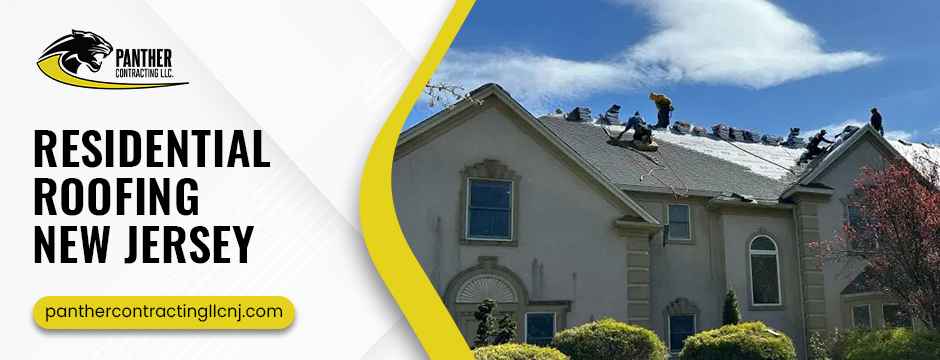
Spring is one of the best times to schedule a Residential Roofing New Jersey. It allows homeowners to catch winter-related damage early and prepare the roof before the summer heat arrives. Small repairs in spring can prevent much larger repair bills later in the year.
Summer: Heat, UV Rays, and Humidity
Summer may seem easier on your roof than winter, but it comes with its own set of challenges. New Jersey summers can be hot, humid, and stormy, all of which affect roofing performance.
Sun Exposure and UV Damage
Constant exposure to the sun can gradually break down roofing materials. Asphalt shingles, in particular, can dry out, become brittle, curl at the edges, or lose their protective granules. Over time, this reduces their ability to protect the home from water and heat.
High Temperatures and Material Expansion
Roofing materials expand in high heat and contract again as temperatures cool at night. This repeated movement can weaken seams, fasteners, and flashing. Over months and years, it increases the chance of cracks and leaks.
Humidity and Ventilation Problems
New Jersey humidity can also create problems, especially if the attic is not properly ventilated. Excess heat and trapped moisture in the attic can:
- Shorten the life of roofing materials
- Increase the risk of mold growth
- Cause wood framing to warp
- Raise indoor cooling costs
A well-ventilated roof system helps release heat and moisture, protecting both the roof and the rest of the home.
Fall: Wind, Debris, and Storm Preparation
Fall is a transition season, and it is also one of the most important times for roof maintenance. While the weather may feel milder, your roof is still vulnerable to seasonal hazards.
Falling Leaves and Gutter Problems
Leaves, twigs, and other debris often collect in gutters and roof valleys during the fall. If gutters become clogged, rainwater cannot drain properly. Water may back up under the roof edge or overflow near the home’s foundation.
Keeping gutters clean is one of the simplest and most effective ways to protect your roof during autumn.
Wind Damage from Seasonal Storms
Fall storms can bring strong winds that lift shingles, loosen flashing, and send branches crashing onto the roof. Even if the damage is not immediately visible from the ground, wind can create weak spots that worsen during winter.
Preparing for Winter
Fall is the ideal time to make sure your roof is ready for snow and ice. Replacing damaged shingles, sealing flashing, clearing gutters, and checking attic ventilation can all reduce the risk of winter roofing problems.
Year-Round Roofing Threats in New Jersey
While each season has its own challenges, some roofing problems can happen any time of year, hence Emergency roof service becomes necessary.
Wind-Driven Rain
New Jersey storms can push rain sideways under shingles and around flashing, especially on older roofs. This can cause hidden moisture damage inside the roofing system.
Tree Damage
Overhanging branches can scrape shingles, drop debris, and increase the risk of impact damage during storms. Trees too close to the home can also keep parts of the roof shaded and damp, encouraging algae and moss growth.
Aging Roofing Materials
Even without a major storm, roofing materials naturally wear down over time. Weather simply speeds up the process. An older roof is more vulnerable to every seasonal shift, which is why inspections become even more important as the roof ages.
Signs Weather Has Damaged Your Roof
Homeowners should watch for these warning signs throughout the year:
- Missing, cracked, or curling shingles
- Water stains on ceilings or walls
- Sagging roof areas
- Mold or mildew in the attic
- Granules are collecting in gutters
- Damaged flashing around vents or chimneys
- Rising energy bills from poor ventilation or insulation issues
If you notice any of these signs, it is best to schedule a professional roof inspection as soon as possible.
How to Protect Your Roof Through Every Season?
The best way to deal with weather-related roofing damage is through prevention. A proactive maintenance plan can extend your roof’s lifespan and reduce the risk of sudden repairs.
Smart Roofing Maintenance Tips
- Schedule roof inspections at least once or twice a year
- Check your roof after major storms
- Keep gutters clean and free of debris
- Trim overhanging branches
- Address minor leaks immediately
- Make sure your attic has proper insulation and ventilation
- Replace worn shingles before they fail completely
Routine maintenance may seem small, but it plays a huge role in keeping your roof strong against New Jersey’s unpredictable climate.
End Notes
New Jersey weather puts residential roofs through a constant cycle of stress, from winter snow and ice to spring rain, summer heat, and fall storms. Each season creates different challenges, and even small issues can turn into expensive repairs if they are ignored. The key to protecting your home is staying ahead of the damage with regular Residential Roofing New Jersey, timely repairs, and seasonal maintenance.
If you want dependable help protecting your roof through every season, Panther Contracting LLC offers expert residential roofing solutions built for New Jersey homes.